
STRONG COMMUNITIES DON'T HAPPEN BY ACCIDENT
Across the country, chambers of commerce work with business and community leaders to solve problems, strengthen local economies and build communities where people and businesses can thrive. The results are all around us.
Chambers are more than events, networking and advocacy. They help communities tackle challenges that no single business, organization or government can solve alone. They grow the economy. Strengthen the workforce. Support small businesses. Advocate for infrastructure and investment. Expand access to child care. Address housing challenges. Help shape the future of downtowns and neighborhoods.
Behind that work are business leaders who choose to invest their time, resources and expertise in the future of their communities. Learn more.
%
of Americans say they wish they understood their local chamber better.*
%
are even familiar with the one in their town.*

CHAMBERS AT WORK

Tulsa, Little Rock and Richmond
Advancing Economic Mobility Through Chamber Leadership Economic mobility has become a defining...

Northern Kentucky Chamber
Fusing Business Connections Across Cultures Business networks create opportunities, but too often...
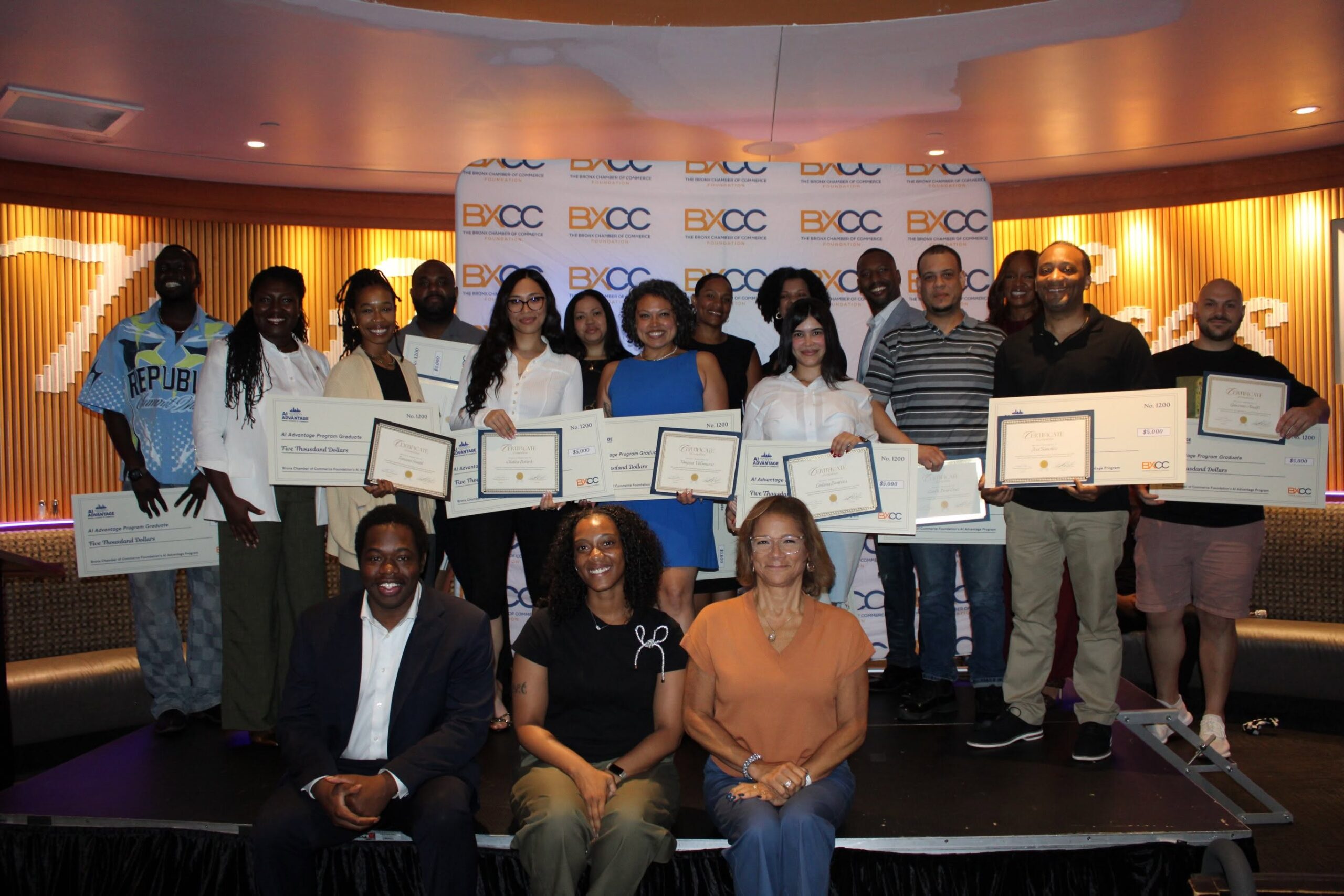
Bronx Chamber of Commerce
Turning AI Access Into Small Business Advantage The Bronx Chamber of Commerce Foundation's AI...
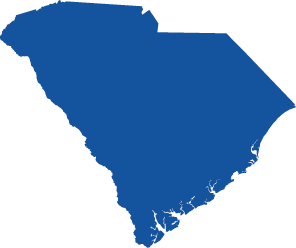
SOUTH CAROLINA
OneSpartanburg, Inc. in South Carolina made room for 197 more kids in day care. They did it with small grants to local providers, not by building anything new.
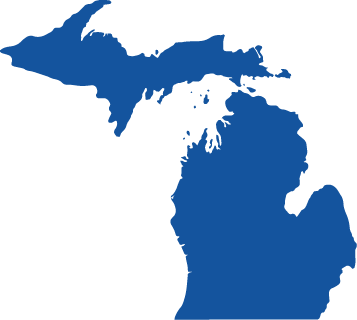
MICHIGAN
The Grand Rapids Chamber housed 100 people experiencing homelessness in 100 days for under $500 per person.

TENNESSEE
The Nashville Area Chamber’s Partnership 2030, backed by local investors, helps Middle Tennessee grow by creating good jobs, expanding affordable housing, and protecting the region’s music, culture, and neighborhoods.

OREGON
The Bend Chamber is helping working people purchase homes they can actually afford through ongoing zoning reform and loan grants designed for local workers.
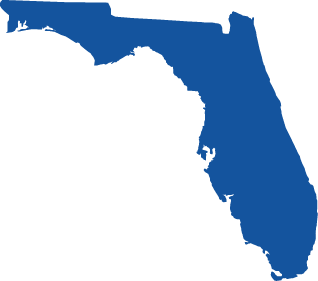
FLORIDA
The Florida Chamber Health Council’s Mental Wellness Institute turns behavioral health research into real tools for employers and communities.

UTAH
The Salt Lake Chamber is helping more local workers live near their jobs by speeding up workforce housing projects and keeping homes within reach for middle‑income families.
CHAMBER MYTHBUSTING
FACT CHECK: What People Get Wrong About Chambers of Commerce
Most people have heard of their local chamber of commerce, but far fewer could tell you what it does. Only 44% say they know their chamber, while 70% want to know more. That gap gets filled with guesses and misconceptions that only weaken the public image of local chambers. Let’s take a closer look at those myths and set the record straight.
MYTH: “The chamber? That is basically part of city hall.”
Chambers work with city, county and state governments on shared priorities, which is why people mix the two up. Chambers are typically organized as 501(c)(6) nonprofits, with boards of directors drawn from local business leaders. The chamber answers to its members, not a mayor.
MYTH: “My taxes pay for it.”
Chambers of commerce are funded by member dues, event revenue, sponsorships and grants.
Some chambers hold a public contract for a specific service like tourism promotion or economic development, disclosed and paid for delivered work. Neither makes a chamber a taxpayer-funded agency.
MYTH: “The chamber is a political organization.”
Chambers advocate for economic prosperity, a pro-growth policy environment and competitive workforce. That is the job.
What the advocacy does not follow is a party. A chamber will push hard on permitting timelines, housing availability or child care capacity, because those issues impact employers.
Some chambers engage in political activity, promoting pro-growth ballot initiatives or supporting candidates. Those endorsements go to candidates from both parties. Business friendly policy is not owned by one political party. The road, the school and the labor market do not change with the election.
MYTH: "It is a club for the big companies"
A five-person shop may not have a dedicated HR department, business development staffer or lobbyist to sit through a zoning hearing. That is the gap a chamber fills.
Among business owners, 65% say their chamber advocates for policies in their interest and 62% say it supports their growth. And the benefits of the work impact the entire community, not just the member businesses. When a chamber expands child care or clears a permitting backlog, non-members get the same shorter wait.
MYTH: “All a chamber does is ribbon cuttings, breakfasts and business cards.”
Very few local organizations can bring employers, elected officials and community leaders to the same table and expect all of them to show up. Chambers can. That’s what makes it possible to take on problems no single entity can solve alone. These examples show the impact of that work better than any response could.
MYTH: “Chambers are a boomer thing. Nobody young bothers.”
Baby boomers and older adults report the least familiarity with their local chamber.
Not the most.
Millennials are the most likely to say they know their chamber and can explain what it does. Millennials and Gen Z are also most likely to see chamber involvement as evidence that a company is reputable and follows good practices.
MYTH: “Joining does not move the needle. Nobody notices.”
They notice. Nearly half of the U.S. adults say knowing a business belongs to the chamber would make them view it more favorably.
GET THE MERCH
*The Harris Poll. (September 2024). “The Impact and Value of Chambers of Commerce.”